

ZENOVA Co., Ltd.
This article reflects the situation at the time of the interview.
A new generation of delivery, led by women managers: the new shape of logistics ZENOVA is creating
How ZENOVA supports about 170 drivers with CARRO JAPAN's car leasing and INNOFLEET
ZENOVA Co., Ltd., a light-cargo delivery company
ZENOVA runs its delivery business mainly from two bases, with 4 employees and about 170 contracted drivers (as of September 2026). The company has used CARRO JAPAN's car leasing since its launch, adding vehicles as the business grew, and has also introduced INNOFLEET, which lets it run and manage alcohol checks remotely. We asked about the challenges of sourcing and managing vehicles as the business expanded, why they chose CARRO JAPAN, how they use it today, and what services they hope for in the future.
Interview
Please tell us about your business.
We run a delivery business centred on light cargo.
We currently have 4 employees and about 170 contracted drivers (as of September 2026), operating from two bases.
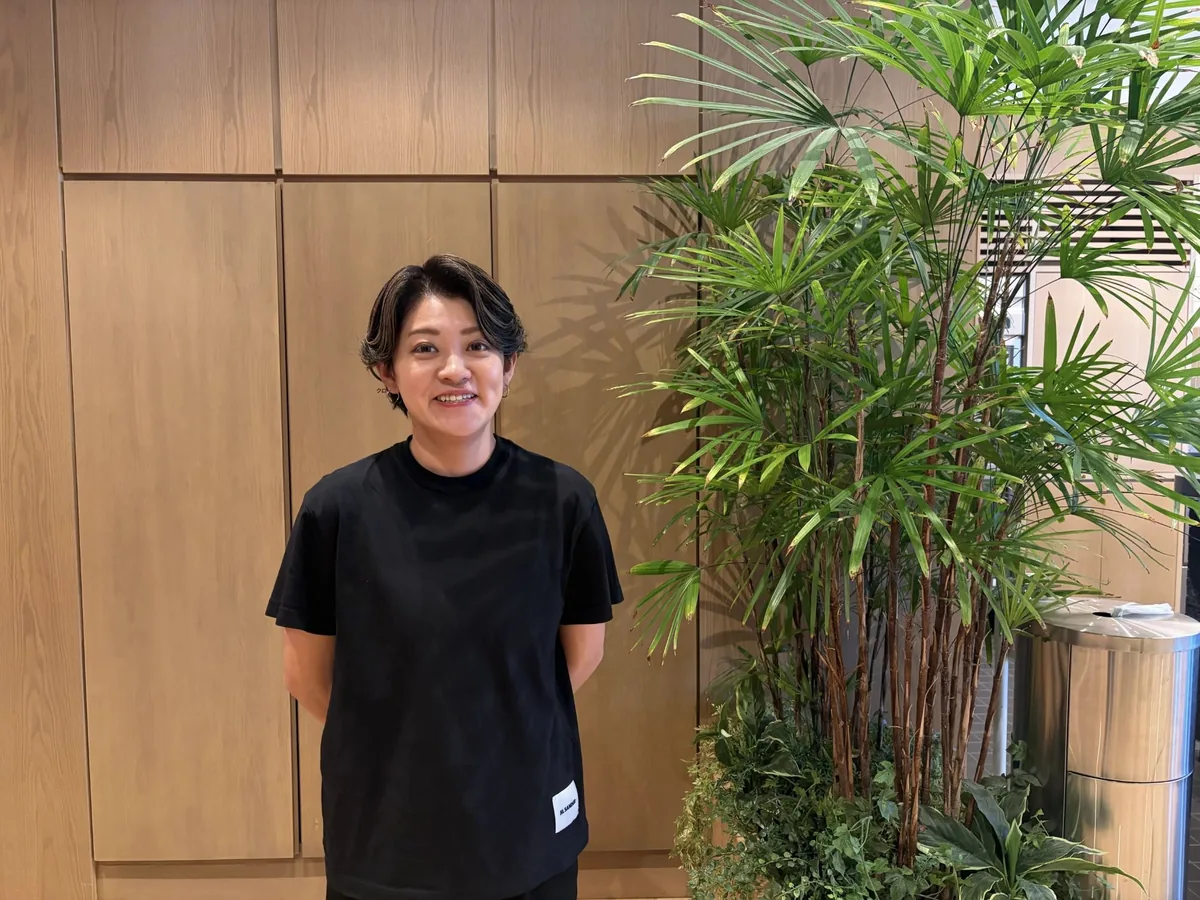
We are still recruiting, so the number of drivers grows every day, and so do the vehicles and alcohol-check accounts we need. Light-cargo delivery may seem like a male-dominated world, but all of our managers, including me, are women, and we aim to be a next-generation delivery company.
Your management team is entirely women, which is unusual. What do you value in communicating with your drivers?
We value day-to-day communication with our drivers.
Our drivers come with many different backgrounds and ways of thinking, so we try to engage with each of them according to their situation. Being kind is not enough; it is also important to speak firmly when needed. Our team of all-women managers is distinctive, but rather than focusing on gender, we want to use each person's strengths to create an environment where drivers can work with peace of mind.
What vehicle-related challenges did you have before using CARRO JAPAN?
In our case, we have worked with CARRO JAPAN since the very start of the business, so rather than "we had this problem before," it feels more like we have built the business together from the beginning. There were probably several options at the time, but connecting with CARRO JAPAN first was what started it all. Looking back, that first meeting really was a stroke of good fortune.
Why did you choose CARRO JAPAN?
When we started out, it was naturally difficult to spend a large amount up front on buying vehicles. Yet a delivery business needs cars. So we chose to lease rather than buy. With CARRO JAPAN's vehicle leasing in particular, a big factor was that the prices felt accessible for us at the time. Buying a sizeable fleet when you are just starting a business is not easy, so being able to secure the vehicles we needed through leasing was a huge help in getting the business off the ground.
How do you find CARRO JAPAN's response and support?
We are very satisfied with how quickly they respond. We have never felt they were slow, and they have always delivered on time when we needed it. What stands out most is when we recently added 7 vehicles. The schedule was quite tight, but they arranged everything very quickly. That really helped us. We keep hiring drivers, so the number of vehicles we need changes every day. Their speed and flexibility in keeping up with that is a big advantage.
What differences do you see between buying vehicles and leasing them?
I think both have their advantages. If you buy vehicles yourself and lend them to drivers, you can recover the purchase cost after a certain period and turn them into a source of profit. On the other hand, the more vehicles you own, the more management work you have. You have to handle breakdowns and accidents, repair costs, and total losses yourself. With leasing, it is easier to keep that vehicle management in one place. We currently combine buying and leasing, but there is a limit to how many vehicles we can buy. If hiring pushes up the number of vehicles we need, we expect to cover the shortfall with leasing.
What do you use the vehicles provided by CARRO JAPAN for?
Mainly for delivery work. We have no particular complaints about the vehicles we use. In fact, people outside the company sometimes tell us, "ZENOVA's cars are all so clean." Some drivers who apply after delivering for other companies ask at the interview, "Are your cars all right?", because the lease cars they used before were quite old or soon needed parts replaced. When they see the cars we actually have delivered, they say, "They're really clean." I think drivers are very satisfied with the condition of the vehicles.
Do you do anything in particular to keep the vehicles clean?
Our managers make a habit of looking at the vehicles. When we meet drivers at loading and so on, we sometimes check the inside and outside of the car. Rather than simply inspecting, we focus on creating a company-wide atmosphere where leaving a car dirty is something to be embarrassed about. If there is rubbish in a car we mention it, and if there is a noticeable scratch we check it. We see this daily communication as a form of training. Thanks to that, there are almost no cars left badly dented or extremely dirty. Vehicle management matters, of course, but through these daily conversations we value our communication with drivers. As managers, we think it is important not only to have rules followed but also to create an environment where everyone can work comfortably.
You also use CARRO JAPAN's INNOFLEET to manage alcohol checks. What has changed since you introduced it?
The biggest change is that drivers can go straight home. When we had fewer drivers, we sometimes had them photograph their alcohol-check results and send them in. But with about 170 drivers, checking and managing photos one by one has its limits. With INNOFLEET, we can manage alcohol-check results digitally. When we surveyed our drivers before introducing it, about 90% said they wanted to go straight home. If the alcohol check can be done remotely, there is no need to return to a base just for the check. For drivers, that also means less travel time and lower fuel costs. For us as managers, the records are kept as data, which is a very important system as the number of drivers keeps growing.
How have drivers reacted since you introduced INNOFLEET?
They are also pleased that the usage fee is kept low, so the burden on drivers is limited. For each person the difference may be small, but it is something they use every month, and if you are doing the same alcohol check, a smaller burden is better. With as many drivers as we have, small improvements like that matter.
Is there anything you would like to see improved in INNOFLEET?
Because we have so many drivers, we have to explain the initial registration and how to use it every time a new driver joins. So we made our own video manual, using the actual screens to show the steps: "press here, then set this." People often do not read written manuals. A video is easier for drivers to understand and reduces the explaining we have to do. If clearer official videos on the initial setup and usage were available, I think it would be even easier to introduce. We also hope it will become easier to run for companies like ours with a very large number of users.
What are your plans for the business?
While keeping our current business at the core, we want to take on new areas of delivery, such as deliveries for businesses, which are different from the work we do now. Depending on the job, that could mean needing special vehicles such as refrigerated or freezer trucks, not just the vehicles we use today. As the business grows, the types of vehicles we need will naturally change. It is reassuring to know we can talk to CARRO JAPAN then too.
What do you hope for from CARRO JAPAN in the future?
We would be glad if CARRO JAPAN became somewhere we can consult about anything to do with vehicles, not just leasing: for example, buying vehicles from us, leases for individual drivers, or introductions to repair shops. When you run vehicles every day, situations come up suddenly where you need someone to take a quick look at a car. Finding a nearby repair shop you can trust from scratch is hard. Being able to consult about everything from sourcing vehicles to maintenance through CARRO JAPAN's network would be a great help. We would also like to consult them if we need refrigerated or freezer trucks for new delivery work. Because of our relationship so far, we have the confidence to think, "If CARRO JAPAN offers it, let's ask them."
Do you have any advice for companies about to start a delivery business?
First, prepare your vehicles early. Once a business starts, you can need vehicles faster than you imagine. If you suddenly need 20 vehicles in two months, for example, buying them all is very difficult in practice. It is also hard to reach the number you need only with drivers bringing their own cars. So if you can see roughly how many vehicles you will need, I recommend talking to a leasing company early. It is important to make good use of CARRO JAPAN's various services as you plan for growth.
Summary
ZENOVA has used CARRO JAPAN's car leasing since its launch, adding vehicles as the business expanded. It has grown to about 170 contracted drivers (as of September 2026) and, beyond sourcing vehicles, is building management systems that match its size, such as digital, remote alcohol checks with INNOFLEET. With a management team made up entirely of women, the company values daily communication with drivers and careful vehicle management as it works toward becoming a next-generation delivery company.
The recent addition of 7 vehicles was also arranged in a short time.
CARRO JAPAN will continue to help ZENOVA add vehicles and manage its fleet.
CONTACT
Just comparing or
need a rough estimate?
We usually reply to inquiries within 3 business days (weekdays 10:00–18:00 Japan time).
 CARRO JAPAN Assistant